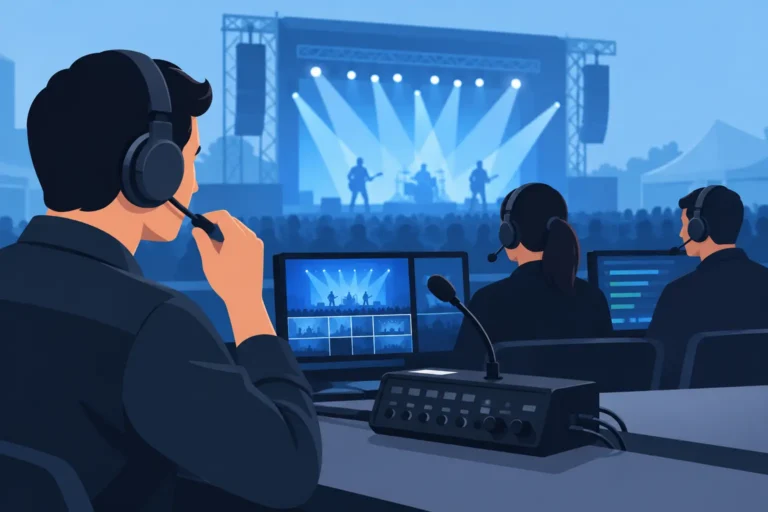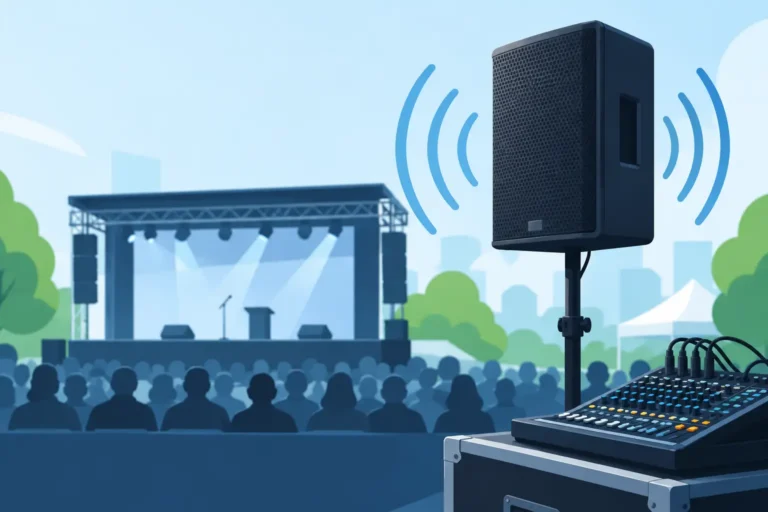
A boardroom microphone that fails during a quarterly meeting is inconvenient. The same failure during a multilingual government summit, investor briefing, or live product launch can disrupt the entire program. That is why the decision around owned versus rented event technology is not simply a purchasing question. It is an operational decision about reliability, technical accountability, staffing, and the ability to adapt when the event brief changes.
For organizations that run recurring meetings, ownership can appear efficient on paper. For event programs with changing venues, audience sizes, languages, and production requirements, rental often provides stronger control over the outcome. The right model depends on what your team uses, how often it is used, and who is responsible for keeping it event-ready.
Owned Versus Rented Event Technology: The Real Decision
The purchase price is usually the first figure considered, but it is rarely the most meaningful one. Event technology carries costs well beyond the initial invoice: storage, testing, charging, firmware updates, repairs, replacements, transport cases, insurance, and trained personnel. Equipment also needs to be available at the exact time it is required, in the required quantity, and configured for the venue.
Ownership makes most sense when the technology is standardized, used frequently, and supported by an in-house technical team. A company with permanent training rooms, for example, may benefit from owning a fixed microphone system, displays, and basic presentation equipment. The room layout is consistent, the users are known, and the equipment does not need to travel between venues.
Rental becomes more compelling when requirements vary. A two-day conference for 80 delegates may need tabletop discussion microphones and digital name signs. The following month, the same organization may need simultaneous interpretation for six languages, a teleprompter for executive speakers, radios for floor management, and a multiroom recording setup. Buying for the highest possible requirement leaves expensive specialist inventory sitting idle for much of the year.
Look Beyond Capital Cost
A purchase can reduce day-rate spending, but it converts a flexible operating expense into a capital commitment. That commitment remains even when event formats change or equipment reaches the end of its useful life.
Conference systems are a clear example. A basic microphone may look interchangeable, but professional discussion systems can include delegate identification, chairman priority, voting, agenda control, interpretation channel distribution, recording feeds, and integration with conference management software. The system must also be sized correctly for the room, RF environment, language count, and delegate experience required.
With rental, organizers can access the appropriate system for each event rather than selecting one system that is only adequate for every event. They can also add capacity when registration grows, create branded delegate positions, or deploy additional breakout rooms without carrying permanent inventory for every scenario.
There is also an obsolescence factor. Wireless audio, interpretation, translation, control, and communications technology continue to evolve. A purchased system may remain functional for years but no longer match the expectations of speakers, delegates, or production teams. Rental allows event teams to specify current professional equipment without repeatedly reinvesting in specialized assets.
The Staffing Question Is Often Decisive
Technology does not operate itself once doors open. It needs planning, configuration, verification, and someone who can respond quickly if a cable is moved, a receiver is not paired, a speaker changes position, or a last-minute VIP requires a new microphone.
An ownership strategy works best when an organization maintains staff with the time and technical capability to manage this work. That includes pre-event testing, site surveys where needed, equipment transport, setup, live operation, strike, and post-event checks. It also requires a clear owner for inventory control and preventive maintenance.
For many corporate communications teams and event departments, those tasks sit outside their core function. Their priority is the agenda, speakers, guests, brand, and stakeholder experience. A managed rental package shifts technical execution to a dedicated crew while the organizer retains control of the event outcome.
DLC Events supports this model with equipment delivery, installation, operation, troubleshooting, and logistics. For complex programs, having technicians who know the deployed systems and the venue plan can be more valuable than having equipment stored internally.
Specialist Systems Need Specialist Support
Some technologies are particularly difficult to own effectively unless they are used at scale. Simultaneous interpretation systems require properly configured interpreter consoles, language distribution, delegate receivers or headsets, and coordination with interpreters and room operations. Remote interpretation and AI speech translation introduce additional network, audio routing, and platform considerations.
Two-way radios and show intercoms are another example. Clear production communications depend on suitable coverage, programmed channels, disciplined distribution, battery management, and compliant operation. In the UAE, radio communications should be supplied and managed through appropriately licensed channels. A rental partner with TDRA-licensed radio communications can remove a significant operational concern for organizers working across large venues, exhibitions, and outdoor sites.
Scale and Venue Change the Equation
Events rarely happen in identical conditions. A hotel ballroom, convention center, exhibition hall, film location, and corporate campus each present different challenges for cable routing, sightlines, acoustics, power access, network connectivity, and audience flow.
Owned equipment may be ideal for a familiar room, but it can become restrictive when a program moves to a larger venue or adds parallel sessions. The risk is not only insufficient quantity. It is using the wrong equipment because it is what happens to be available.
Rental gives producers the ability to match the package to the event. A leadership meeting may need discreet gooseneck microphones and a confidence monitor. An international congress may require hundreds of interpretation receivers, a digital discussion system, dedicated recording, and technical operators in multiple rooms. A product launch may place greater emphasis on professional audio, intelligent wireless lighting, presentation support, and show communications.
This flexibility is especially useful for GCC and international events, where equipment movement, customs planning, local regulations, and venue access schedules can affect the production plan. A regional technical partner with substantial local inventory can reduce dependence on last-minute shipments and fragmented suppliers.
When Buying Is the Better Choice
Rental is not automatically the answer. Organizations should consider ownership when a system has a predictable, high-frequency use case and limited variation. A permanent executive meeting room, a regularly used training facility, or a venue with repeatable in-house AV requirements may justify purchasing selected equipment.
Even then, a blended model is often practical. Own the equipment that is used daily and is easy for internal teams to support. Rent the specialist, high-capacity, or event-specific elements that would otherwise create storage, maintenance, and staffing pressure. This might mean owning displays and presentation accessories while renting conference microphones, interpretation equipment, teleprompters, radios, silent headsets, or additional sound reinforcement for major events.
Before buying, ask four practical questions:
- Will this equipment be used often enough to justify its full lifecycle cost?
- Can our team maintain, test, transport, and operate it without affecting other responsibilities?
- Does it meet the largest likely event requirement, not only the typical meeting?
- What happens if the equipment fails, becomes outdated, or is needed in two places at once?
If the answers depend on assumptions, rental offers useful protection against operational surprises.
Plan for the Event You Are Actually Producing
The strongest technology decision begins with the event brief, not a product list. Start with delegate count, room layout, languages, speaker format, content capture needs, venue limitations, branding requirements, and the experience expected by attendees. Then decide which elements are permanent business infrastructure and which are temporary production needs.
For a single annual summit, renting a fully supported package is generally more efficient than purchasing a collection of specialist systems. For a permanent venue or a high-volume internal program, ownership may form part of the solution, supported by rental capacity for peak periods and complex events.
The useful question is not whether owning or renting is cheaper in isolation. It is which approach gives your team the right technology, in the right condition, with the right technical support, when the audience is in the room. Build that answer into the event plan early, and the technology will support the program rather than becoming another risk to manage.