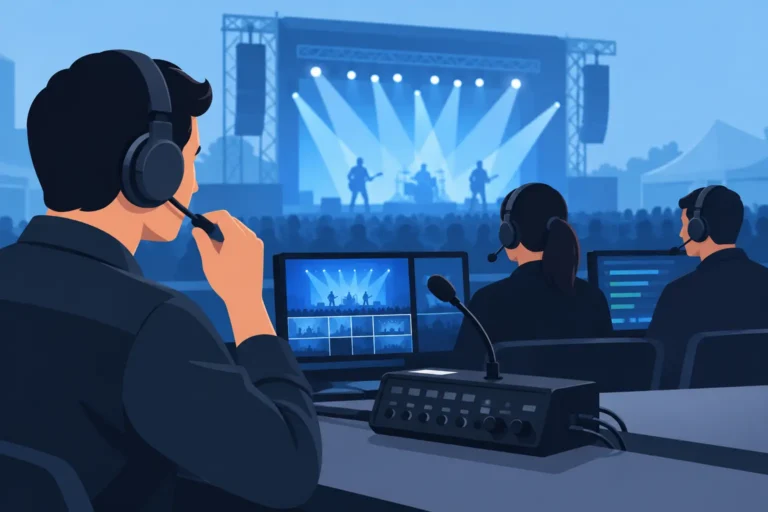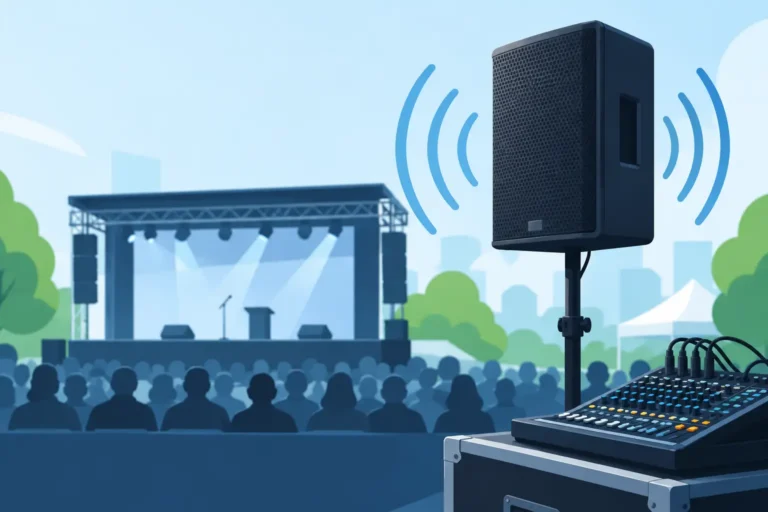
A multilingual conference can lose credibility in seconds when an attendee selects Spanish and hears the original floor audio, the wrong interpreter, or silence. To configure multilingual audio channels correctly, the technical plan must connect the event’s language requirements with interpreter workflow, receiver distribution, venue conditions, and a disciplined testing process.
For a board meeting with one additional language, the setup may be straightforward. For an international summit with multiple breakout rooms, remote speakers, hybrid feeds, and six interpretation languages, channel configuration becomes a central part of event communication. The objective is simple: every participant should be able to select their preferred language quickly and hear it clearly from the first session through the closing remarks.
Start With a Language and Room Plan
Channel configuration begins before equipment reaches the venue. Confirm the floor language, every required interpretation language, expected audience count by language, and whether any languages are needed only in particular rooms or sessions. This determines the number of interpreter channels, receiver quantities, interpreter booths, and distribution points required.
The floor channel is the original speaker audio. In many conferences, this is English, but it should never be assumed. If a presenter speaks Arabic, English, or another approved floor language, delegates listening to the original should have a clearly identified channel for it. Interpretation channels then carry the translated audio to delegates using infrared or radio-frequency receivers, silent conference headsets, or integrated conferencing systems.
A written channel schedule prevents confusion. It should identify the channel number, language, room, interpreter position, and destination. For example, Channel 1 may carry the floor, Channel 2 Arabic, Channel 3 English, and Channel 4 French. Keep this schedule consistent across receiver labels, digital signage, event apps, printed programs, and technician documentation.
For multi-room programs, avoid reusing a channel number for different languages unless the rooms use entirely separate systems and there is no possibility that delegates or equipment will move between them. Consistency reduces support calls and helps event staff guide attendees without needing technical explanations.
Configure Multilingual Audio Channels Around the Interpreter Workflow
A channel is only as reliable as the audio path feeding it. Each interpreter must receive a clean feed of the floor language, any relevant remote participant audio, presentation playback, and approved stage microphones. They also need talkback or coordination capability when the production requires it, without that communication reaching delegate receivers.
Professional simultaneous interpretation systems route each interpreter console to a dedicated output channel. The technician assigns the correct language at the console, then confirms that the corresponding transmitter or distribution system receives that exact output. This sounds basic, but incorrect patching is one of the most common causes of language mismatch during live events.
Relay interpretation requires additional planning. If an interpreter translates from English into French while the speaker is talking in Japanese, the English channel becomes a source for the French interpreter. The routing must allow the interpreter to monitor the designated relay language without creating feedback, accidental floor mixing, or delay that makes interpretation difficult to follow.
Remote interpretation adds another layer. The remote platform feed must be brought into the venue’s audio system at the correct level and routed back to the proper transmission channel. Build in a backup communication path for remote interpreters, especially where internet stability, platform permissions, or remote speaker connections could affect the program.
Protect the Floor Audio
The floor feed should be clear, stable, and free of unnecessary processing. It typically includes lectern microphones, panel discussion units, handheld microphones, and approved playback content. It should not include private production cues, interpreter coordination, or audience noise unless those sources are intended for interpretation.
A separate mix is often needed for interpreters when the event includes video playback, virtual contributors, or audience Q&A. A video clip may need its original audio delivered to interpreters, while a remote participant may need mix-minus routing so they do not hear an echo of their own voice. These are operational details that should be resolved during system design, not during the keynote.
Select the Right Distribution Method
Multilingual audio can be distributed through infrared systems, radio-frequency systems, app-based audio, or built-in conference units. The best choice depends on venue layout, audience size, privacy requirements, and event format.
Infrared interpretation systems are well suited to conferences where audio should remain inside the room. Infrared signals do not pass through walls, which supports privacy and reduces interference between adjacent sessions. They are a practical choice for government meetings, corporate gatherings, and multilingual congresses held in contained venues.
Radio-frequency systems can provide wider coverage and flexibility across larger spaces, outdoor areas, or event zones where infrared coverage is less practical. In the UAE, radio systems must be properly licensed and coordinated. Using TDRA-licensed radio communications helps protect the event from compliance issues and avoidable frequency conflicts.
App-based audio may be useful for hybrid participants or certain lower-complexity programs, but it depends heavily on attendee devices, Wi-Fi capacity, network management, and battery readiness. It should not automatically replace dedicated receivers for high-stakes conferences. Dedicated interpretation receivers offer predictable audio quality, immediate language selection, and fewer variables for attendees and organizers.
Labeling Is Part of the Technical Setup
Delegates should not need to memorize channel numbers. Label each receiver with language names, ideally supported by a quick-reference card at registration or on the seat. If the program serves an international audience, use clear language names rather than flags. Flags can be ambiguous and do not always represent the language a delegate expects to hear.
At larger events, the registration team should distribute receivers by expected language demand and keep spare units charged and ready. Create separate collection points or clear return procedures to reduce losses at the end of the day. If delegates move between rooms, confirm whether their receiver works throughout the venue or whether it must be exchanged for a room-specific unit.
The same principle applies to interpreter booths and technical positions. Every input, output, transmitter, and backup device should be labeled with both its channel number and language. Clear labels support faster troubleshooting when schedules change or a replacement technician joins the operation.
Test the Full Signal Path, Not Just Individual Devices
Testing one console, one headset, or one transmitter is not enough. The team should test the complete path from a live microphone or playback source to the interpreter console, language channel, transmitter, receiver, and headset. Repeat this for every language.
A proper test should verify audio clarity, channel assignment, interpreter microphone level, floor-source routing, receiver coverage, and headset condition. Walk the room with a receiver, including rear seating, side seating, entrances, and any overflow area. In venues with partitions, LED walls, metal structures, or unusual ceiling design, coverage behavior can differ from the original plan.
Test realistic program conditions as well. Bring up a remote speaker, play a video clip, open a panel microphone, and confirm that interpreters receive all sources they need. If the event includes recording or streaming, verify whether the stream should carry the floor audio, one interpreted language, or multiple selectable language tracks. These outputs should be isolated and checked before the audience arrives.
Plan for Fast Recovery
Reliable events are not built on the expectation that nothing will fail. Keep spare receivers, headsets, batteries or charging capacity, microphones, cables, and a replacement interpreter console where appropriate. Assign a technical contact who can respond to delegate receiver issues without pulling the audio engineer away from the main system.
For critical programs, maintain a documented fallback plan. This may include a backup transmitter, a secondary interpreter position, an alternate remote connection, or a designated floor-language-only procedure if an interpretation channel becomes unavailable. The exact level of redundancy depends on the event’s risk profile, but international ministerial, investor, and executive events generally justify more contingency than an internal training session.
Coordinate Changes Through One Technical Owner
Late agenda changes are common. A new speaker may require an additional language, a breakout may be moved, or a remote guest may join from another time zone. The risk is not the change itself. The risk is making it informally, without updating routing, labels, interpreter assignments, and event staff instructions.
Give one technical lead authority over channel changes. That person should receive updates from the conference producer, interpreter coordinator, stage manager, and streaming team, then confirm the operational impact before the change goes live. This keeps the language plan aligned across the entire event operation.
DLC Events supports multilingual conferences with configurable simultaneous interpretation systems, licensed communications, experienced technical crews, and on-site operation. The right package depends on your venue, language count, audience size, program format, and whether the event is in-room, hybrid, or spread across multiple spaces.
Clear language access is not an extra feature for an international audience. It is the condition that allows every delegate to participate with confidence. Build the channel plan early, test it under real program conditions, and give attendees a simple way to hear the conversation that matters to them.