A ballroom divided by movable walls, an exhibition floor with competing demonstrations, a late-evening program near guest rooms – these are the situations where conventional loudspeaker audio can quickly become a constraint. Silent headset rental events give organizers a controlled way to deliver clear sound to each attendee without filling the entire venue with noise.
For corporate meetings, multilingual conferences, product launches, training programs, and festival-style events, the value is not simply quieter audio. A properly planned system can support multiple presentations in one room, allow participants to select their preferred language or content stream, and keep the venue operating within its sound limits. The result is a more focused audience experience, provided the system is designed around the event rather than treated as a box of headsets.
When Silent Headset Rental Events Are the Right Choice
Silent headset systems are most effective when the program needs audio separation. A conference may have two breakout sessions operating in a shared space. An exhibition may require product demonstrations at neighboring stands. A corporate event may want a daytime presentation channel, an interpretation channel, and an evening entertainment channel without changing the room setup.
They are also useful where venue acoustics work against speech intelligibility. Hard surfaces, high ceilings, ambient crowd noise, and nearby activity can make even a well-specified PA system difficult to hear. With individual receivers, attendees hear the presenter directly at a consistent level, rather than relying on sound traveling across a busy room.
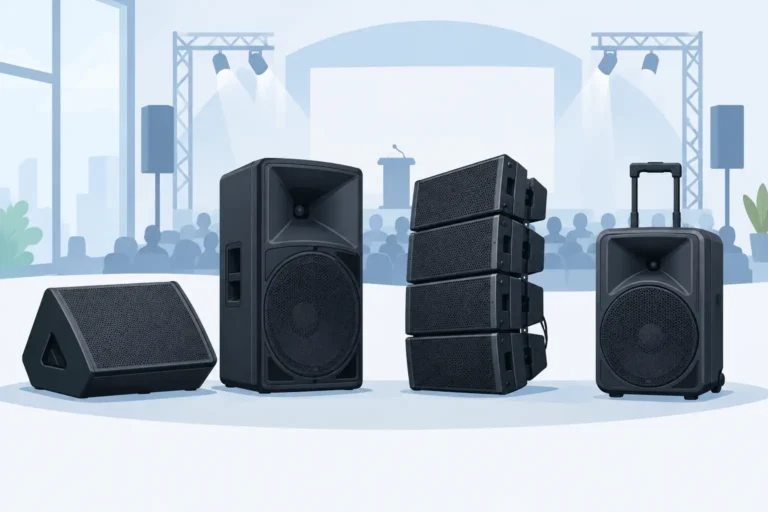
That said, silent headsets are not a universal replacement for front-of-house audio. A keynote with a large shared audience may still benefit from professional loudspeakers so the room feels connected and speakers can hear audience response naturally. Many successful programs use both: a PA system for the main room experience and headsets for overflow areas, interpretation, parallel content, or noise-sensitive segments.
Start With the Audience Journey, Not the Headset Count
The first question is not how many headphones are needed. It is how attendees will receive, use, and return them. A system for 80 executives entering one meeting room requires a different plan from a system for 1,500 exhibition visitors circulating throughout the day.
Consider when attendees collect their headsets, whether they need assistance selecting a channel, and how they will know which channel to use. Clear signage, branded channel cards, and trained distribution staff reduce hesitation at the entrance. For large events, it is usually preferable to distribute in zones rather than create one long collection line.
Return procedures deserve the same attention. Headsets should be counted, checked, and collected in a controlled area, especially when attendees leave through multiple exits. For multi-day events, the production team should also define overnight charging, cleaning, storage, and redeployment procedures. These details protect the schedule and help avoid shortages at the next session.
Match Channels to Real Program Needs
A silent headset platform can carry multiple audio channels, but more channels do not automatically improve the event. Each channel needs a defined purpose, a presenter or source, proper audio routing, and clear attendee instructions.
Common channel plans include a floor-language presentation plus simultaneous interpretation languages; parallel sessions in a shared room; or separate streams for a live speaker, event DJ, and guided content. In a product launch, one channel may carry the main presentation while another provides detailed technical commentary for media or specialist guests.
Avoid allocating channels merely because the equipment supports them. Unused or poorly labeled channels create confusion. A practical plan keeps the selection simple while leaving capacity for essential backup or last-minute program changes.
Coverage, Frequency Planning, and Venue Conditions
Reliable headset audio depends on more than transmitter power. The technical team needs to assess room dimensions, wall construction, adjacent halls, existing wireless equipment, and the expected movement of the audience. Coverage requirements differ greatly between a contained ballroom, a multi-level conference center, and an outdoor activation.
At larger venues, antenna placement and signal distribution may be required to maintain stable reception across the intended listening area. A site survey or detailed venue review helps identify obstacles early, including metal structures, temporary walls, LED installations, and areas where guests may move beyond the planned coverage zone.
Wireless coordination is particularly important in venues already using wireless microphones, intercoms, radios, Wi-Fi networks, and broadcast equipment. The event technical plan should account for all active RF systems, not only the headsets. This is where an experienced rental partner adds operational value: the system is configured as part of the wider production environment, with testing completed before doors open.
For events in the UAE and across the GCC, radio equipment must also be deployed in accordance with local regulatory requirements. Licensed, professionally managed communications equipment helps protect the event from avoidable interference and compliance issues.
Audio Quality Begins at the Source
Headsets can deliver excellent clarity, but they cannot correct a poor source signal. Presenters still need suitable microphones, proper gain structure, and active audio monitoring. Video playback, remote contributors, walk-on music, and interpretation feeds must be routed and tested as individual sources before the program begins.
For speech-based events, intelligibility matters more than excessive volume. The audio should be clean, consistent, and comfortable for extended listening. Speakers should be briefed to use microphones correctly, particularly for panel discussions and roaming presenters. A handheld microphone held too far away or a headset mic positioned incorrectly will be heard immediately by every listener.
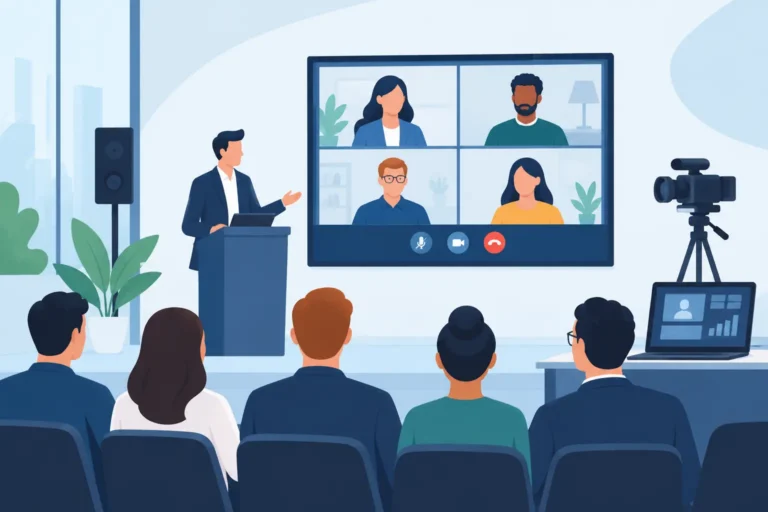
If simultaneous interpretation is part of the event, the listening system must be integrated with the interpretation consoles, interpreter booths, and language routing. Delegates should be able to select the floor channel or their chosen language without needing a technical explanation. This requires careful labeling and a rehearsed workflow between the audio, conference, and interpretation teams.
Staffing Is Part of the Equipment Package
For a small internal training session, an organizer may only need delivered equipment, a basic handover, and a clear operating guide. For a public event, major conference, or multi-language summit, on-site technical support is the safer model.
A professional crew can install transmitters and antennas, test every channel, manage audio feeds, support presenters, and respond quickly if a receiver is misplaced or a guest needs help. They can also coordinate with venue operations and the wider production team when schedules change.
The required staffing level depends on audience size, venue complexity, channel count, and event duration. A 200-person session with one channel may be straightforward. A 2,000-person exhibition with rolling entry, three channels, and multiple distribution points needs a more structured operational plan. The trade-off is clear: reducing crew may lower the initial rental cost, but insufficient support can create attendee queues and technical distractions at the moment the program needs to feel effortless.
Build Accessibility and Comfort Into the Plan
Silent listening should be comfortable, inclusive, and intuitive. Select receiver headsets that are appropriate for the session length and audience profile. For longer conferences, lightweight designs and adjustable volume controls make a meaningful difference. Spare units should be available for immediate replacement if required.
Accessibility planning may include compatible listening options for attendees with hearing aids, captioning for key presentations, or dedicated support for guests who need assistance operating the equipment. These provisions should be discussed during event planning, not improvised at registration.
Hygiene also matters, particularly for high-turnover events. Professional rental workflows should include cleaning and inspection between users, with sensible handling procedures for staff. This is a practical part of audience care and reinforces the quality of the overall event environment.
What to Confirm Before Booking
A productive rental brief identifies the event dates, venue, expected audience, program format, required languages, number of simultaneous channels, and whether guests will remain seated or move around. It should also describe any other wireless technology in use and confirm access times for setup and testing.
Ask how the supplier will handle distribution, charging, spares, signal coverage, technical operation, and equipment collection. Request a package sized for the real operating conditions, not simply the registered delegate count. A sensible contingency allowance is often necessary where attendance is uncertain or equipment may be issued to staff, VIPs, interpreters, and production personnel.
DLC Events can configure silent listening systems alongside professional audio, interpretation, conference microphones, and event communications, creating one coordinated technical plan rather than several disconnected rentals. This approach is particularly valuable when schedule pressure, multilingual content, or venue limitations leave little room for trial and error.
The strongest silent headset experience is rarely noticed as technology. Guests collect a clean, working receiver, choose a clearly labeled channel, and hear exactly what they came to hear. That quiet confidence is the standard worth planning for.