A speaker can have the right message, a polished presentation, and a full room of decision-makers ready to listen. If the audience at the back cannot hear clearly, none of that preparation delivers its intended value. PA system rental Dubai is therefore not simply a question of hiring loudspeakers. It is a technical decision about speech intelligibility, room coverage, control, redundancy, and the confidence to keep an agenda moving.
For corporate meetings, summits, exhibitions, product launches, and international conferences, the best audio package is the one designed around the venue and the program. A boardroom discussion requires a very different approach from a ballroom keynote, a multi-room training day, or an outdoor activation. The equipment matters, but the planning behind it matters just as much.
Start With the Event, Not the Speaker Count
A common request is for “a sound system for 200 people.” That figure is useful, but it is not enough to specify a professional system. Two events with the same guest count can have entirely different audio needs depending on room shape, ceiling height, stage position, audience layout, ambient noise, and the number of people speaking.
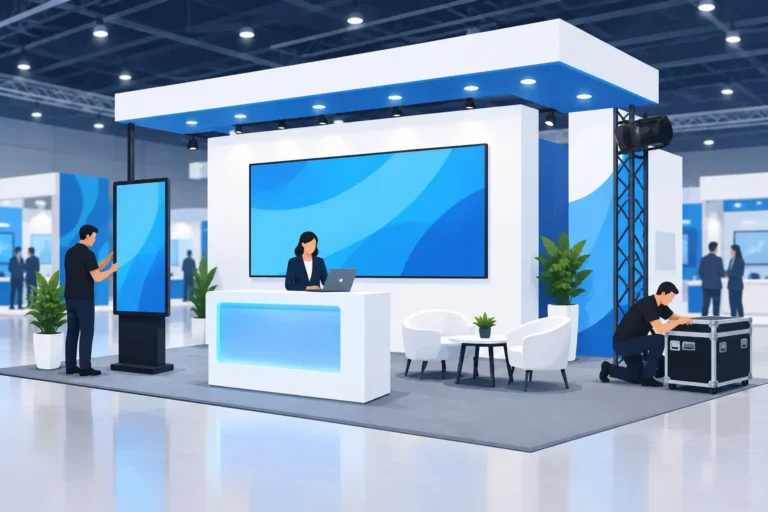
A theater-style conference in a hotel ballroom may need distributed loudspeaker coverage so delegates in the rear rows hear the same clear speech as those near the stage. A networking reception may need carefully controlled background music and wireless microphones for short announcements without overwhelming conversation. An exhibition stand may need compact speakers with tight coverage to keep sound focused within its footprint rather than competing with neighboring exhibitors.
The first planning discussion should establish the event format, venue dimensions, attendee count, run-of-show, and content sources. It should also account for whether audio is needed in one room, several breakout rooms, an overflow space, or a live stream. This allows the technical team to build a system for the actual outcome required: clear, consistent communication.
What a Professional PA System Usually Includes
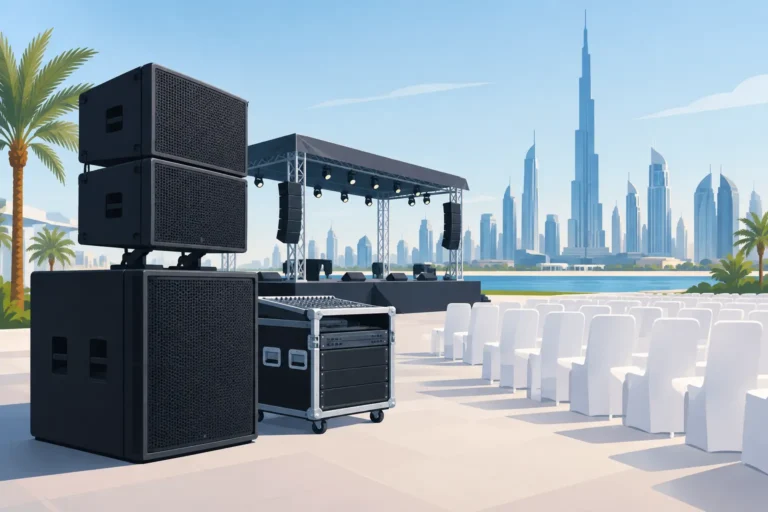
A PA system is a complete signal path, not just a pair of speakers. The package may include main loudspeakers, subwoofers where program music or high-impact playback is required, stage monitors for presenters or performers, amplifiers, a digital mixing console, microphones, playback connections, and all necessary cabling and stands.
For spoken-word events, loudspeaker selection is driven by even coverage and vocal clarity. Subwoofers may be unnecessary for a leadership forum focused entirely on presentations, but they can be valuable for walk-in music, video playback, awards stings, or a product-launch reveal. Adding equipment without a purpose can increase setup complexity and consume valuable floor space, so the system should be specified to the program rather than a generic package.
Microphone choice is equally important. Handheld wireless microphones work well for moderated Q&A and audience participation. Lapel microphones provide a discreet option for keynote presenters, although placement and clothing can affect sound quality. Headset microphones are often the strongest choice for active presenters who need consistent volume while moving on stage. For panel discussions, gooseneck microphones, boundary microphones, or professional conference discussion systems can provide a more controlled and polished result.
A qualified audio technician manages these sources from the mixing console, balancing levels, cueing playback, and responding quickly to changes in the program. This active control is what separates a managed event audio solution from equipment placed in a room and left unattended.
PA System Rental Dubai Requires Venue-Specific Planning
Dubai venues range from compact meeting rooms to major convention halls, luxury ballrooms, outdoor terraces, and purpose-built exhibition spaces. Each setting introduces practical considerations that affect system design.
Hard surfaces such as glass, marble, and high ceilings can create reflections that reduce speech clarity. In these spaces, speaker placement, aiming, and delay timing are especially important. Large ballrooms may be divided by air walls, requiring separate audio zones that can operate independently or combine for a plenary session. Outdoor venues bring wind, traffic, crowd noise, power distribution, and weather protection into the planning process.
Venue rules also matter. Load-in schedules, rigging permissions, approved cable routes, power availability, and ceiling restrictions can all influence what is practical. An experienced provider reviews these details early, coordinates with the venue where required, and plans installation around the available access window. This protects the production schedule and avoids last-minute compromises on event day.
For events with international delegates, audio often connects directly to simultaneous interpretation systems. The floor language from stage microphones is sent to interpreters, while delegates listen through receivers and headsets in their selected language. In this situation, the PA system and interpretation infrastructure must be designed as one coordinated operation. Clear source audio is essential for both the in-room audience and the interpreters working in language booths or remotely.
Match Microphones to the Program
The microphone plan should follow the agenda. A conference with one host, six panelists, audience Q&A, and an awards segment needs more than a single wireless microphone. Each handoff is a potential delay unless the system has been planned around how people will enter, speak, and leave the stage.
Consider the speaker experience as well. Executives who are unfamiliar with microphones may prefer a lapel mic fitted by a technician before they go on stage. A moderator managing live discussion may need a handheld microphone, while panelists benefit from dedicated tabletop or gooseneck units that remove the distraction of passing a mic down the line.
Wireless frequency coordination is another operational requirement. In a busy hotel or exhibition environment, multiple production teams may be operating nearby. Professional wireless systems must be coordinated and tested to reduce the risk of interference. For larger programs, having spare microphones, charged battery systems, and a backup plan is part of reliable delivery, not an optional extra.
Do Not Separate Audio From Video and Hybrid Production
When presentations include video, remote speakers, or streaming, the audio system becomes part of a larger production workflow. A video played on LED screens needs audio routed cleanly through the room system. A remote presenter needs a return feed that lets them hear the room without echo. A live stream needs a dedicated audio mix, because the sound that works in a ballroom is not always the mix that works for online viewers.
This is where an integrated technical approach saves time. The audio engineer, video team, show caller, and streaming operator need clear signal routing and communication before doors open. A rehearsal is especially valuable when there are remote contributors, walk-on music, awards cues, video playback, or multiple language channels.
For high-stakes programs, recording can also be built into the setup. Recording the main program mix, individual microphones, or selected sessions provides useful material for post-event content and internal review. The right recording method depends on whether the priority is a clean archive, social media edits, compliance documentation, or a full event replay.
Choose Support Based on the Risk of the Event
Small internal meetings may only require delivery, setup, and a straightforward operating handover. A CEO town hall, government forum, investor presentation, or international summit usually requires an on-site audio engineer throughout the program. The difference is not only convenience. It is about having a trained operator available when an agenda changes, a speaker arrives with different requirements, or a technical issue needs immediate attention.
Managed support typically covers system installation, sound checks, microphone fitting, console operation, troubleshooting, and strike after the event. It also gives organizers one technical point of contact rather than asking event staff to solve audio issues while managing registration, speakers, and guests.
DLC Events supports tailored professional audio rentals with technical crews who understand the pace and expectations of Dubai corporate events. With more than 30 years of UAE event-market experience, the team can align PA, conference microphones, interpretation, recording, communications, and lighting requirements within one coordinated production plan.
Questions to Settle Before Confirming a Rental
Before booking a PA system, confirm the number of attendees, room layout, venue access times, stage dimensions, and the full agenda. Identify every microphone user, including moderators, panelists, award presenters, and audience Q&A. Share presentation and video playback requirements in advance, along with any streaming, recording, or interpretation needs.
It is also worth confirming who has authority to approve changes on site. Event programs rarely run exactly as planned. A clear technical contact helps the crew respond quickly when an additional chair is added to a panel, a presenter requests walk-on music, or a session runs longer than expected.
Book Early When the Program Is Complex
Simple meetings can sometimes be accommodated on short notice, subject to inventory and crew availability. However, multi-room events, large wireless microphone counts, interpretation systems, hybrid production, and custom staging benefit from early planning. Advance booking allows time for venue coordination, technical drawings, equipment preparation, frequency planning, crew scheduling, and rehearsals.
The most effective PA system rental Dubai solution is rarely the largest available system. It is the one that lets every attendee hear every essential word, gives presenters confidence on stage, and remains under professional control from the first walk-in track to the final closing remark. Start with the communication outcome your event must achieve, then build the audio plan around it.