A multilingual conference can lose its audience in seconds if interpretation audio drops, channels are mislabeled, or attendees cannot hear clearly from the back of the room. Simultaneous interpretation equipment rental gives organizers access to a complete, professionally configured system without purchasing specialized technology or staffing an in-house technical team.
For international conferences, government meetings, executive summits, training programs, and hybrid events, the equipment is not an add-on. It is the communication infrastructure that allows every delegate to participate in the language they understand best. The right rental partner plans that infrastructure around the venue, program, language count, audience size, and operational risk.
What a Professional Interpretation System Includes
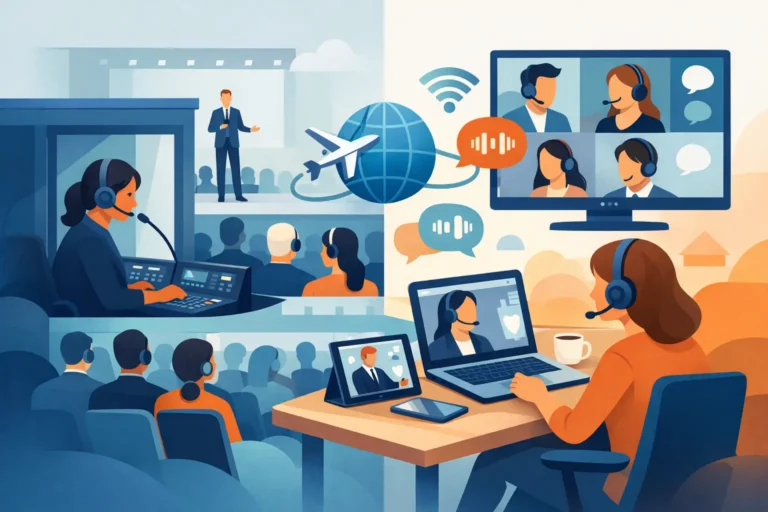
Simultaneous interpretation works when interpreters listen to a speaker in one language and deliver the translation in another language in real time. Attendees select their preferred language channel on a receiver and listen through headphones or an earpiece. While the concept is straightforward, dependable delivery requires several components to operate as one coordinated system.
A typical package includes interpreter consoles, sound-isolated interpreter booths, attendee receivers, headphones, a transmitter or distribution system, charging equipment, and integration with the main conference audio system. A technician also needs to confirm that the interpreters receive a clean feed of every active speaker, presentation video, remote contributor, and playback source.
The final configuration depends on the event. A board meeting with English and Arabic may require only a compact setup for a limited number of delegates. A multi-language congress may need multiple booths, six or more language channels, hundreds of receivers, charging stations, backup units, and dedicated technical operators. The difference is not only quantity. It is the level of planning needed to maintain audio quality and control throughout the program.
Choosing Simultaneous Interpretation Equipment Rental
The first decision is not which receiver model to use. It is understanding how people will communicate at the event. Begin with the number of floor languages, the number of target languages, and whether each session follows the same language plan. A main plenary session may need five languages, while smaller breakout rooms may need only two. Renting by room and by session requirement avoids paying for unnecessary channels while protecting the delegate experience where it matters most.
Audience size is equally important. Organizers should count not only seated delegates but also speakers, moderators, VIP guests, late registrants, production staff, and a sensible reserve. Receiver shortages are highly visible at registration and can create avoidable delays before the opening session. A well-planned rental includes adequate inventory, spare headsets, fully charged units, and an efficient method for distributing and collecting equipment.
Venue conditions also affect the design. Large ballrooms, convention centers, exhibition halls, and temporary structures present different acoustic, power, sightline, and signal-distribution considerations. The technical team should inspect the room layout, stage position, control location, booth placement, audience flow, and any walls or partitions that may affect coverage. For events using radio-frequency transmission, local spectrum rules and licensing requirements must be considered as part of the technical plan.
Interpreter Booths Are a Working Environment
Interpreters need more than a table near the stage. Professional booths provide acoustic separation, ventilation, lighting, a clear view of the presenter or confidence monitor, and consoles that allow interpreters to select the correct input and relay channel. The booth position must support the interpreters’ work without obstructing audience circulation or compromising the room design.
For longer sessions, organizers should plan interpreter rotations, booth access, drinking water, schedules, and clear communication with the audio team. A system can be technically perfect and still fail the event if interpreters do not receive presentation materials in advance or cannot hear a remote participant clearly. Interpretation planning should therefore be part of the production schedule, not a final-day equipment request.
Audio Integration Determines What Delegates Hear
The interpretation system must receive every relevant audio source. That often includes handheld and lavalier microphones, lectern microphones, panel discussion units, video playback, virtual speakers, and audience questions. In a conference using delegate microphones, the interpretation feed should follow the active speaker automatically and remain intelligible even when participants speak from different positions around the room.
This is where an experienced technical crew adds value. They can create proper audio routing, manage gain levels, test every language channel, and coordinate changes between sessions. For hybrid events, they can also ensure remote interpreters or online attendees receive suitable audio feeds. Poor audio does not become understandable simply because an interpreter is present.
Infrared, Radio Frequency, and Digital Delivery
There is no single best transmission method for every event. The appropriate choice depends on the venue, event type, privacy requirements, number of rooms, local regulations, and desired attendee experience.
Infrared systems are commonly selected for confidential meetings and enclosed conference spaces because the signal remains within the room. They are well suited to government programs, board meetings, and sessions where privacy is a priority. However, room layout and line-of-sight conditions need careful assessment.
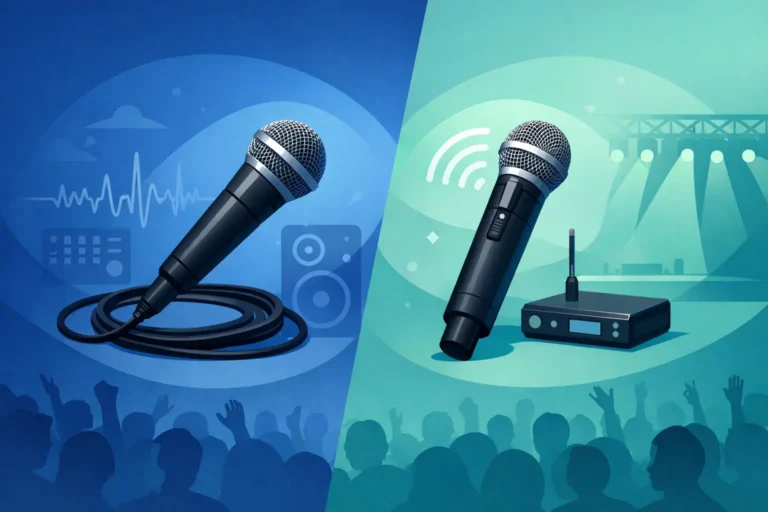
Radio-frequency systems can provide flexible coverage across larger or more complex spaces, subject to spectrum coordination and local regulatory requirements. They may be appropriate for large conferences, exhibitions, or venues where attendees move between designated areas. Licensed communications expertise is especially valuable when multiple wireless systems are operating at the same event.
Digital or app-based language delivery can support attendees using their own smartphones, particularly for hybrid programs or distributed audiences. It reduces the need to issue physical receivers, but it introduces different dependencies: reliable Wi-Fi or mobile connectivity, attendee device readiness, battery life, and support for guests who prefer not to use personal devices. For many high-stakes conferences, dedicated receivers remain the most controlled and inclusive option.
Plan the Delegate Journey, Not Just the Equipment List
Attendees should be able to collect a receiver, select a language, and take their seat without needing technical assistance. That outcome requires practical planning at registration. Receivers can be issued against a badge, exchanged for an ID, or distributed by language desk. The right method depends on the number of guests, security policy, and whether equipment will be used for one session or throughout the day.
Headphone selection matters as well. Lightweight single-ear headsets allow attendees to remain aware of the room and network with nearby delegates. Full headsets can offer stronger isolation in noisier environments. For exhibitions, factory tours, or outdoor programs, the system may need a different approach from a formal ballroom conference.
At the end of the session, collection points should be obvious and staffed. This improves turnaround time, protects rental inventory, and prevents valuable equipment from being carried into the next room or off-site. These details are operational, but they strongly influence whether the event feels controlled and professional.
Why Managed Rental Is Usually the Lower-Risk Choice
Owning interpretation equipment can make sense for organizations that operate frequent, standardized multilingual meetings with trained internal technicians. Most event teams, however, need different system sizes, language counts, and room configurations from one program to the next. They also need current equipment that is tested, charged, transported, installed, and supported.
A managed rental model scales to the actual event. It avoids capital expenditure, storage, maintenance, battery management, and the responsibility of troubleshooting critical communications equipment during a live session. It also gives organizers access to technicians who understand conference workflows, live audio, multilingual routing, and venue coordination.
DLC Events provides tailored interpretation rental packages supported by technical setup, on-site operation, troubleshooting, and logistics for events in Dubai, across the GCC, and internationally. With more than 30 years of regional event experience, the team can coordinate interpretation systems alongside delegate microphones, conference management platforms, audio production, remote interpretation, and other event technology.
Questions to Resolve Before Booking
The most useful rental brief is specific. Confirm the event dates, venue, room layouts, expected attendee count, floor and target languages, session schedule, interpreter arrangements, and whether content includes remote speakers or live video. Share the agenda early, especially when language requirements change between rooms or days.
It is also helpful to identify other wireless and audio systems already planned for the venue. Production intercoms, wireless microphones, tour-guide equipment, and show communications can affect technical coordination. The earlier these elements are reviewed together, the more confidently the technical team can design a stable system.
For large conferences, book early enough to secure the required quantity of booths, receivers, consoles, and experienced operators. This is particularly relevant during major exhibition periods, peak conference seasons, and events requiring multiple concurrent rooms. A site survey or detailed venue plan is often the quickest way to turn a broad requirement into an accurate equipment package.
The best interpretation system is the one delegates barely notice. They hear the language they need, speakers maintain their pace, interpreters have the tools to work comfortably, and the event team stays focused on the program rather than the technology. That is the practical standard to use when planning your next multilingual event.