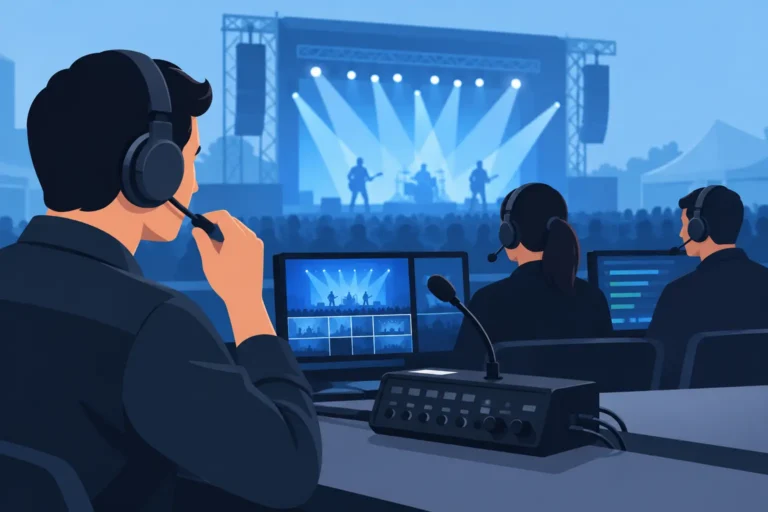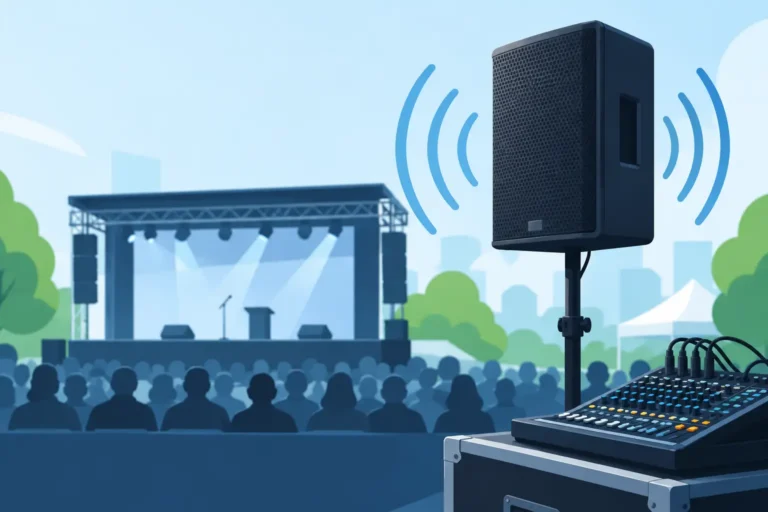
A boardroom can become difficult to manage the moment 20 people need to speak, be heard clearly, and follow an agreed discussion order. That is where the answer to what are delegate microphones becomes practical rather than technical. They are purpose-built conference microphones that give each participant a dedicated speaking position within a managed discussion system.
Unlike a standard handheld or podium microphone, a delegate microphone is designed for seated participants at a conference table, classroom layout, council chamber, or summit hall. It allows delegates to request the floor, speak when approved, and hear the discussion through an integrated loudspeaker or headphone connection. The result is more orderly communication, clearer audio for the room and recording, and better control for the event chairperson or moderator.
What Are Delegate Microphones Used For?
Delegate microphones are part of a conference discussion system. Each unit is placed in front of an attendee and typically includes a gooseneck microphone, a speak or request button, status lights, and a built-in speaker. Depending on the system, it may also include voting controls, an interpretation channel selector, an RFID or NFC participant identification feature, or a headphone socket.
They are commonly used for board meetings, government sessions, annual general meetings, corporate leadership conferences, policy forums, training sessions, and international summits. Any event where multiple participants need structured access to the microphone can benefit from a delegate system.
The central distinction is control. A delegate does not simply switch on a microphone whenever they choose. In many configurations, they press a request button and wait for the chairperson to approve their turn. The system can also allow a set number of open microphones at one time, such as three delegates plus the chair. This prevents overlapping voices and keeps the conversation understandable for attendees, interpreters, remote participants, and recording teams.
Delegate Units and Chairman Units
A complete discussion system normally includes at least two types of tabletop units: delegate microphones and chairman microphones. They may look similar, but their permissions are different.
A delegate unit is assigned to a participant. It lets them request to speak, join the discussion when the system permits it, and in some setups select an interpretation language or cast a vote.
A chairman unit is assigned to the meeting chair, moderator, or presiding official. It usually has priority controls. The chairperson can approve requests, open or close delegate microphones, view speaking queues, and, on some systems, use a priority button to mute active delegate microphones when immediate intervention is needed.
This distinction is particularly valuable in formal meetings. A moderated discussion should feel organized without becoming rigid. The right configuration gives the chairperson authority while allowing delegates to participate efficiently.
How the System Works During a Meeting
Before the event, technicians connect the microphone units to a central control unit or networked conference processor. The processor manages microphone activation, speaker limits, audio routing, interpretation feeds, voting data, and integration with recording or streaming systems.
During a session, a delegate presses the request button. A light on the unit may show that the request is queued. The chairperson can approve it manually, or the system can activate the microphone automatically if the maximum number of active speakers has not been reached. When the delegate speaks, their voice is amplified through the venue sound system and can be sent to recording, web conferencing, broadcast, or interpretation channels.
For less formal workshops, delegate microphones can be configured in an open mode, where participants activate their own units. For ministerial meetings, shareholder sessions, or sensitive board discussions, a request-to-speak mode offers tighter governance. Neither approach is universally better. The appropriate setting depends on the meeting protocol, number of attendees, and role of the chairperson.
Why Delegate Microphones Improve Event Communication
Clear speech is only one benefit. Delegate microphone systems improve the operating conditions around a discussion.
First, they reduce the need for staff to carry handheld microphones between seats. That saves time, avoids interruptions, and creates a more polished room setup. Participants know where to speak, and the technical team can monitor the system from a control position.
Second, they improve audio consistency. Each participant speaks close to a dedicated microphone, rather than leaning toward a shared table microphone or relying on a voice that may not reach the room. This matters for large rooms, recorded sessions, hybrid meetings, and events where remote attendees need to hear every contribution.
Third, they establish speaking discipline. Open-floor discussions often lose pace when people interrupt or speak at the same time. A managed microphone queue gives the moderator a clear view of who wishes to contribute and helps ensure that key voices are not missed.
Finally, they can form the foundation of a wider conference technology package. Delegate units may work alongside simultaneous interpretation systems, digital name signs, conference management software, cameras, teleprompters, remote interpretation platforms, and presentation audio. For international events, this integration is often the difference between a functional meeting and a professionally managed multilingual program.
Features to Consider When Renting Delegate Microphones
Not every meeting needs the same microphone configuration. A 12-person executive board meeting has different requirements from a 300-delegate congress with six language channels and electronic voting.
Start with the seating plan. U-shaped tables, classroom rows, boardroom tables, theater seating with writing tablets, and parliamentary chambers each require different unit placement and cable routing. The number of participants, distance between seats, available table power, and venue access all affect the technical design.
Then consider meeting functions. Basic discussion systems may only need speaking control and clear sound reinforcement. More complex sessions may require interpretation channel selection, voting, attendance registration, speaker identification, agenda management, or individual headphone monitoring. These features should be selected because they solve an operational need, not simply because they are available.
Wireless delegate microphones can be useful where cable runs are impractical or where a venue layout changes frequently. They offer flexibility and can preserve a clean visual presentation. However, wired systems are often preferred for long sessions, fixed seating plans, and larger formal conferences because they provide predictable power and avoid battery management. In the UAE and across the GCC, wireless deployment also requires proper frequency planning and licensed operation where applicable.
Audio, Interpretation, and Hybrid Integration
For multilingual conferences, delegate microphones are closely connected to simultaneous interpretation. The microphone feed goes to interpreters in soundproof booths or to remote interpreters working through a supported platform. Attendees then select their preferred language through the delegate unit, a separate receiver, or a headset-based listening system.
For hybrid programs, each active speaker can be routed to the streaming platform or video conference. This gives remote participants a clean audio feed rather than relying on room microphones or laptop audio. If cameras are integrated with the discussion system, they can also follow the active speaker automatically, which is useful for broadcast-style events and formal proceedings.
These integrations need planning before event day. Audio routing, participant naming, camera presets, interpretation languages, recording requirements, and moderator workflows should be tested as part of the technical rehearsal.
Common Planning Mistakes to Avoid
The most common mistake is treating delegate microphones as a simple quantity decision: one unit per seat. The system should instead be designed around how the meeting will run. Will every attendee speak? Is a chairperson approving requests? Are panelists seated separately? Will questions come from the audience? Is interpretation required?
Another issue is underestimating the time needed for setup and testing. A conference microphone system includes cabling or wireless coordination, control-unit programming, table dressing, sound checks, and operator familiarization. For high-profile meetings, a rehearsal with the moderator is worthwhile, especially when voting, interpretation, or hybrid feeds are involved.
Visual presentation also matters. Microphone stem length, unit color, cable concealment, branded name signs, and table layout all influence how the room appears on camera and to senior attendees. Technical functionality and event presentation should be planned together.
Choosing the Right Event Partner
A reliable delegate microphone rental package should include more than the units themselves. It should cover system design, delivery, installation, testing, on-site operation where needed, and responsive troubleshooting throughout the program. The provider should be able to scale from a small corporate meeting to a multi-room summit while coordinating with venue teams, production agencies, interpreters, and streaming crews.
DLC Events provides configurable conference discussion systems for meetings across Dubai, the UAE, the GCC, and international venues, supported by experienced technical crews and a broad inventory of conferencing technology. The best setup is always the one that matches the meeting format, venue, language requirements, and level of control required by the chair.
When every participant needs a fair opportunity to be heard, delegate microphones turn a room full of voices into a discussion that can be managed, understood, recorded, and acted upon.