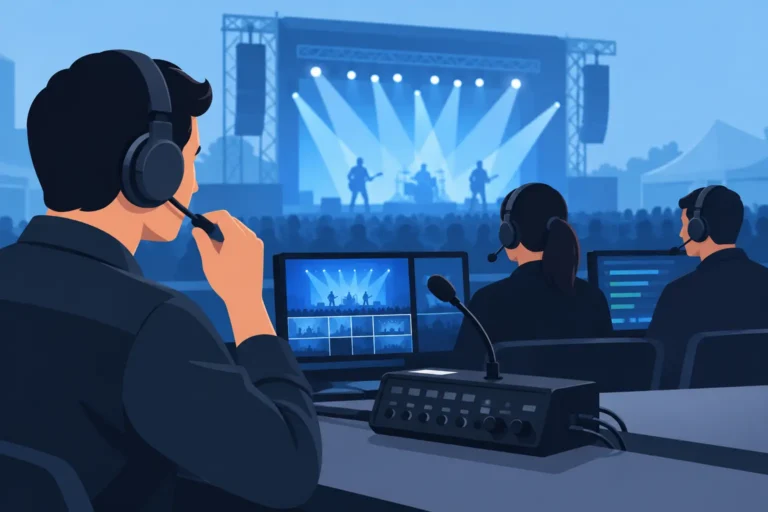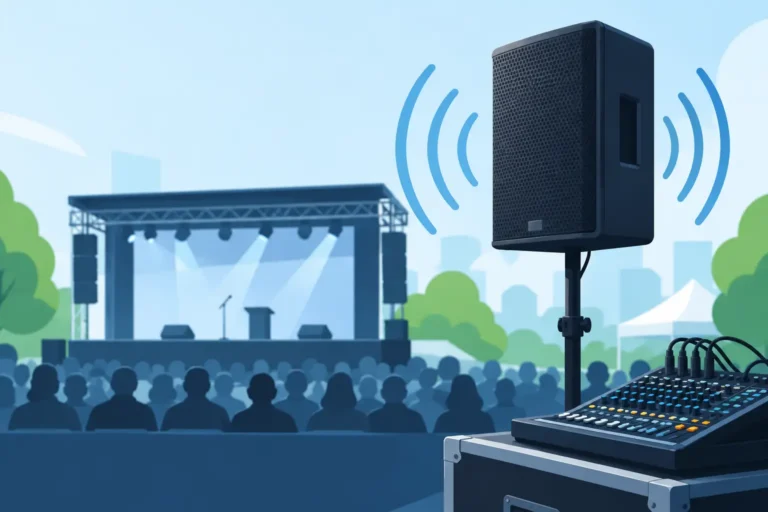
A keynote presenter steps on stage, the room goes quiet, and the microphone cuts out under the first sentence. In most cases, this is not a microphone failure. It is a frequency coordination problem. To manage wireless microphone frequency effectively, event teams need a planned approach that accounts for the venue, local spectrum activity, system quantity, and live monitoring from setup through show close.
For conferences, government meetings, exhibitions, product launches, and multilingual summits, wireless audio cannot be treated as a last-minute convenience. It is part of the event’s communication infrastructure. A properly coordinated system keeps speakers audible, supports confident stage movement, and protects the professional standard attendees expect.
Why Wireless Microphone Frequencies Need Management
Every wireless microphone transmitter sends audio to its receiver using a radio frequency. That frequency operates within a limited amount of usable radio spectrum, shared with other wireless devices and services. In a busy venue, the available spectrum may already include television broadcasts, in-house AV systems, security communications, wireless intercoms, Wi-Fi equipment, and neighboring event activity.
When two devices operate too close together, or when a microphone is assigned to an unsuitable channel, interference can appear as dropouts, bursts of noise, reduced range, or complete loss of audio. The risk rises quickly as the microphone count grows. A small executive meeting with two handheld microphones may have a simple requirement. A multi-room conference with panel microphones, roaming Q&A units, presenter headsets, and production communications requires disciplined coordination.
Frequency management is also not only about finding an empty-looking channel. Wireless systems must be selected and programmed as a coordinated group. Some frequencies may seem clear during a scan but become unstable when multiple transmitters are switched on. Professional planning considers both external RF activity and the interaction between every wireless unit in the event package.
Start With the Venue, Not the Equipment List
The venue is the starting point for reliable wireless audio. A ballroom in a hotel, an exhibition hall, an outdoor activation, and a broadcast studio each present different RF conditions. Large venues may host multiple events at once, while exhibition halls can become increasingly crowded as exhibitors activate their own wireless systems.
Before equipment is deployed, the technical team should confirm the venue location, room layout, ceiling height, stage position, expected audience size, and nearby spaces in use. It is equally useful to ask whether the venue has installed wireless microphones, digital signage, broadcast facilities, or other radio systems that could affect the plan.
In the UAE and across the GCC, radio operation also requires attention to local regulations and approved frequency ranges. Using properly licensed and suitable equipment is a practical requirement, not an administrative detail. Event organizers should work with suppliers that understand the local operating environment and can provide compliant radio communications and professional wireless audio systems.
A site survey is particularly valuable for high-profile or large-scale programs. It allows the crew to identify potential interference sources before doors open, position receiving antennas correctly, and confirm cable routes and control locations. For complex events, early venue access is often one of the most useful protections against avoidable show-day changes.
How to Manage Wireless Microphone Frequency Before Show Day
A reliable frequency plan begins with a complete channel list. This should cover more than the microphones visible on stage. Include presenter lavaliers, handheld units, headset microphones, audience Q&A transmitters, backup channels, wireless instrument systems, intercom belt packs, and any systems supplied by the venue or another production partner.
The technical provider then performs an RF scan and coordinates compatible frequencies across the full system. A scan shows active spectrum at that moment; coordination calculates a set of channels designed to operate together. Both steps matter. Scanning without coordination can leave a system exposed to intermodulation, where transmitter signals create unwanted products that interfere with other assigned channels.
For event organizers, the practical objective is straightforward: provide accurate information early. Last-minute additions can be accommodated in many cases, but they may require the crew to revise a carefully balanced plan. If a client plans to add a second panel room, roaming hosts, or entertainment after the initial production brief, the audio team should know before equipment is finalized.
A well-managed preparation process normally includes these operational checks:
- Confirm the total number and type of wireless channels required, including backups.
- Identify venue-supplied or third-party wireless equipment that will operate nearby.
- Coordinate frequencies as a complete system rather than assigning them one at a time.
- Label every transmitter, receiver channel, battery position, and assigned user.
- Prepare a clear handover plan for presenters, moderators, and stage managers.
Labeling may sound basic, but it prevents frequent show-day mistakes. A transmitter assigned to the CEO should not be exchanged with a backup handheld without the audio operator knowing. Clear labeling also speeds up changeovers in panel discussions, awards programs, and multilingual sessions where speakers move rapidly between stage positions.
Antenna Placement, Batteries, and Gain Are Part of the Plan
Frequency coordination alone cannot solve every wireless issue. Receiver antennas need an effective line of sight to the performance area and should be positioned away from avoidable sources of interference. In larger rooms, remote directional antennas may be required to achieve consistent coverage across the stage, audience aisles, and presenter entrances.
Antenna distribution systems are equally valuable when many receivers are in use. Rather than placing separate antennas behind a rack in a crowded control area, a professionally designed distribution setup gives the system a controlled RF front end. This improves organization and can make troubleshooting much faster.
Battery management is another live-event discipline. Wireless transmitters should begin the program with approved, fully charged or fresh batteries, depending on the system type. The crew should track runtime and replace batteries to a schedule rather than waiting for a low-battery alert during a keynote.
Audio gain must also be set correctly. A microphone with poor gain structure may sound weak, distorted, or noisy even when its RF signal is stable. The audio operator should test each presenter’s microphone position, voice level, and movement pattern during sound check. A lavalier placed under clothing needs different treatment from a handheld microphone used for audience questions.
Live Monitoring Protects the Program
A successful sound check is essential, but it is not the end of frequency management. RF conditions can change as neighboring spaces open, exhibitors power on equipment, or external activity increases. The audio team should monitor receiver signal strength, audio levels, battery status, and available backup channels throughout the event.
For high-stakes sessions, a backup strategy should be visible in the production plan. This may include a ready handheld microphone at the lectern, a second lavalier prepared for a VIP speaker, spare batteries at stage access, and an audio operator with direct communication to the stage manager. The correct backup depends on the format. A seated panel can often recover quickly with a handheld unit, while a high-energy product launch may need a duplicate headset system ready to deploy.
This is where managed technical support delivers more value than equipment alone. Professional crews do not simply place wireless microphones on a table. They coordinate channels, test coverage, manage speakers, monitor performance, and respond before a small issue becomes audible to the room.
Planning for Multi-Room and Multilingual Events
Multi-room conferences require a centralized view of wireless audio. Frequencies used in one ballroom can affect a nearby breakout room, particularly when transmitters are powerful, antennas are poorly positioned, or venue walls provide little RF isolation. Each room should be part of one coordinated plan, even if separate teams operate the individual spaces.
Multilingual events add another layer of technical planning. Simultaneous interpretation systems, conference microphones, and language distribution equipment must work alongside the event’s wireless presenter channels. These systems serve different functions, but all contribute to the same outcome: every participant can hear, speak, and engage without interruption.
For hybrid programs, the wireless microphone signal also feeds recording, streaming, remote interpretation, or video-conference platforms. A brief RF dropout that may be tolerable in the room can be more noticeable to remote participants. Redundant audio routing and active monitoring help protect both the onsite and virtual audience.
When Rental Support Is the Better Choice
Owning wireless microphones can work for venues with consistent, predictable requirements and dedicated technical staff. However, many event teams need different channel counts, microphone formats, and coverage designs from one project to the next. Renting allows the package to match the actual event instead of forcing the event into the limits of owned equipment.
DLC Events provides configurable wireless audio, conferencing, interpretation, and event communications packages supported by experienced technical crews. For a Dubai board meeting, a GCC summit, or an international conference deployment, the team can coordinate the equipment plan around the venue, agenda, speaker format, and operational requirements.
The most useful next step is to share the event date, venue, room count, agenda, and expected microphone requirements with the technical team as early as possible. That gives frequency coordination the time and attention it deserves, so the audience remembers the message, not the microphone.